


Description
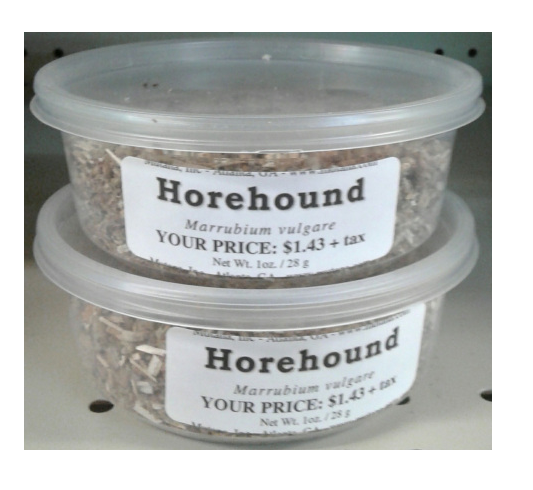
Marrubium vulgare (horehound)
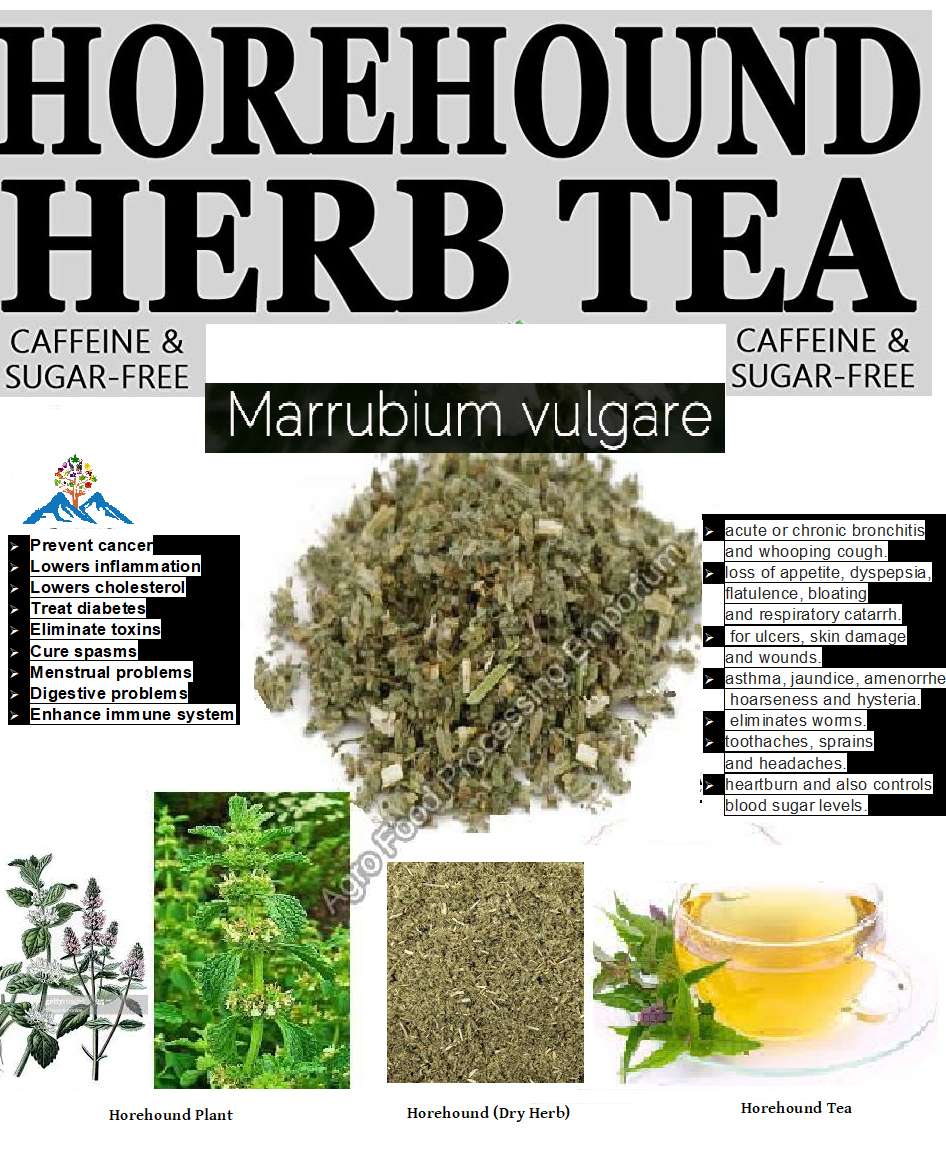
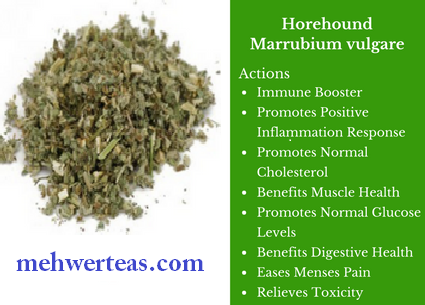
Organic Horehound has long been known in the area of combating various respiratory ailments. The horehound is known to possess antiseptic, anti-spasmodic, expectorant, diaphoretic and diuretic properties, among others.
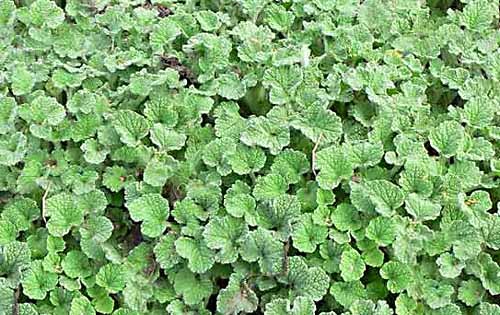
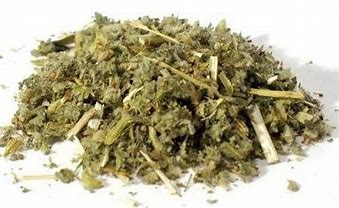
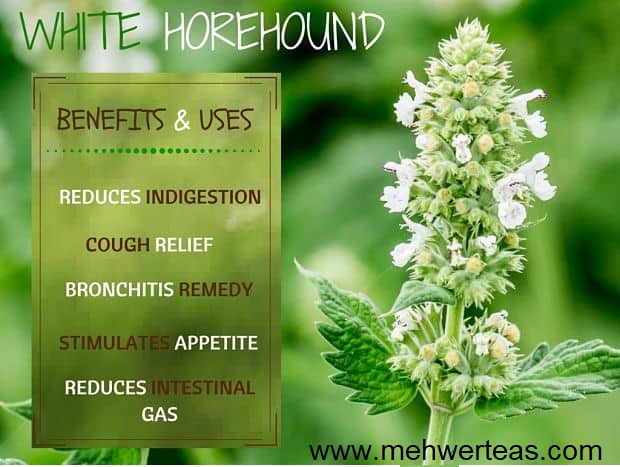
The horehound is a perennial herb, a garden mint possessing a fiber-rich rootstock from which emerge bushy, square-shaped stems. The horehound has wrinkled green and white leaves, rough-textured on the top and wooly-textured on the underside of the lamina.
Known by its official name of marrubium vulgare, the horehound grows in a wide range of locales A unique herb white horehound is a very potent anti-inflammatory, specifically regarding respiratory inflammation. In natural medicine practices, it is used to treat bronchitis, whooping cough, and asthma.
Horehound is a perennial herb native to Europe. It grows easily in waste land and along roads. This bushy herb has been used for centuries to treat a variety of symptoms. The Romans and Egyptians used this herb. It was also one of the bitter herbs taken to the Passover Feast. In England the leaves are used in the preparation of a delicious beer know as Horehound Ale that is non-alcoholic and nutritious. It is a natural attractant for bees so be prepared to see them in your garden if you plant horehound.
Medicinal Uses – Organic Horehound has long been used as an expectorant for lung conditions. This herb has been used for asthma and whooping cough, as well as bronchitis. It is also used for diabetes in some countries. Some people take horehound to relieve heartburn and to increase the appetite. It is also used for intestinal disorders as well as pan and spasms from menstruation. Studies are showing some promise as a treatment for high cholesterol and triglyceride levels.
Other Uses – Organic Horehound is used to make candy.
Herbs to Combine/Supplement – Horehound can be used with hyssop, rue, marshmallow root and licorice root. When the root of white horehound is combined with ribgrass plantain, it can be used for snakebite.
Parts Used – The leaves of white horehound are used medicinally.
The main constituent of the horehound is a bitter substance known as marrubin, and other constituents are flavonoids, caffeic acid, resin, tannins, wax, fat, sugar, etc.
The benefits of the horehound can be derived through teas, infusions, candies, tinctures and encapsulations. To make horehound tea, place 2½ teaspoons of horehound herb in a pint of boiling water. Let it steep and simmer for about 45 minutes. The tea is best consumed in lukewarm temperature.
Horehound tea is quite bitter in taste so it is normally flavored with lemon juice and sweetened by molasses, not sugar. Sugar is thought to dilute the beneficial properties of the horehound tea.
Though safe for use in children, the horehound is not recommended for use by pregnant women.
The following are some health benefits derived from this tea:
• May help in fighting upper respiratory disorders like cough, asthma and lung troubles by loosening phlegm-accumulation in the passages.
• May help in fighting headaches caused by sinus infection.
• May help fight sore throat.
• May help night-time gastric reflux.
• May help relieve pain caused by cough or indigestion.

Reviews
There are no reviews yet.