








Description
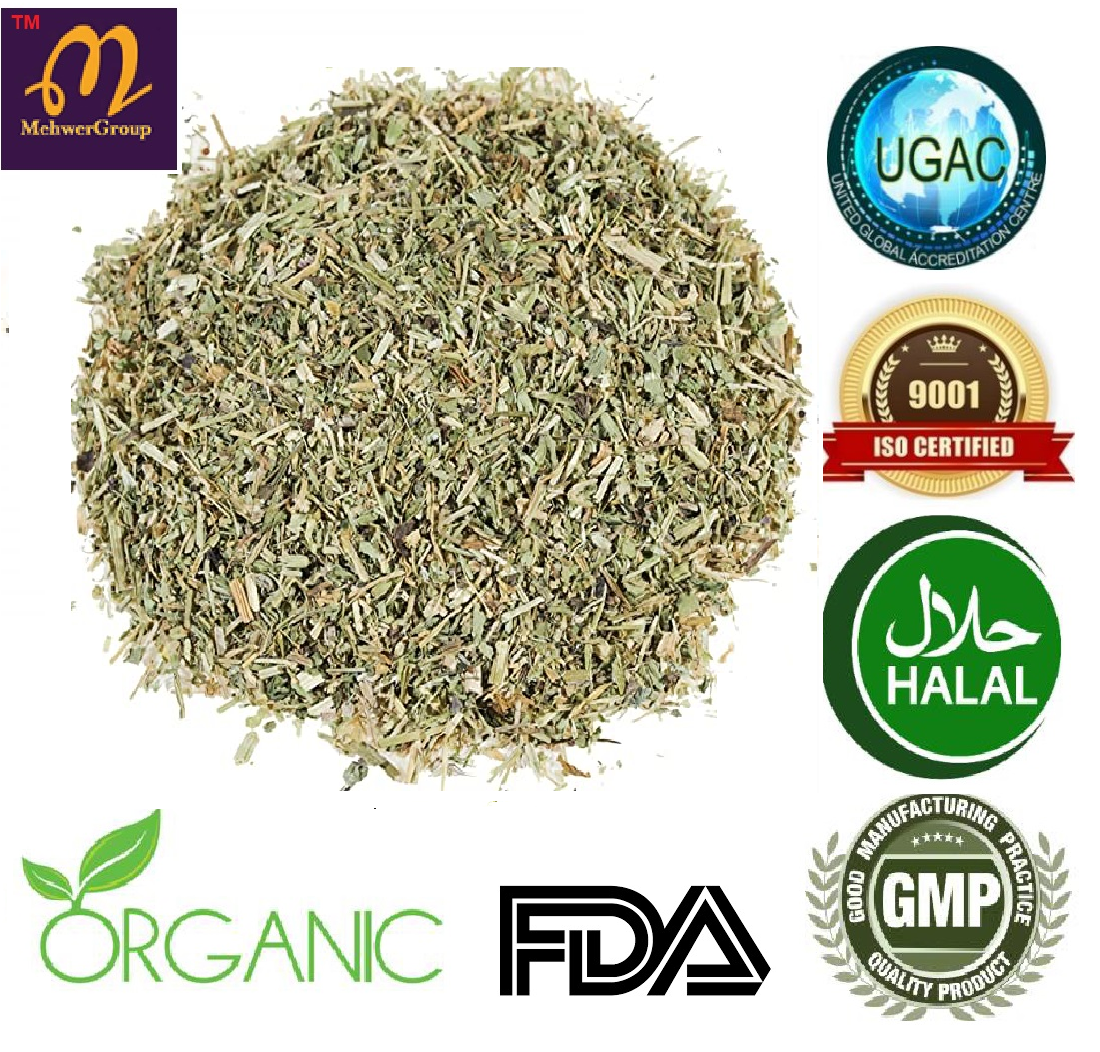
Organic Chickweed (Stellaria media) is a delicious and nutrient-dense plant that, luckily for us, grows like a weed.
chickweed is very common all over yards and fields, It seems to like cooler, temperate climates and you can find it at most times of the year. It is a low-growing, weedy plant with small white flowers in a star-like formation around the tiny centre. The long pinkish stems can grow up to eighteen inches long and have a line of fine hairs along them. The small, pointed, oval-shaped leaves grow in pairs along the stem. It’s rather non-descript appearance gets confused with other plants sometimes.
Like many other weedy plants, chickweed makes a great salad green. It’s also a favourite among foraging animals. However, it spoils easily, so always eat it fresh. Eating chickweed in salads can give you a boost of the following nutrients: Ascorbic-acid, Beta-carotene, Calcium, GLA (Gamma-linolenic-acid), Flavonoids, Magnesium, Niacin, Potassium, Riboflavin, Selenium, Thiamine, and Zinc. And even though, spinach is the most mineral rich green in grocery stores, chickweed boasts 12 times more calcium, 5 times more magnesium, 83 times more iron, and 6 times more vitamin C! But, you’ll never see chickweed in grocery stores. It wouldn’t survive the transit. And besides, you can probably find plenty of it in your backyard!
Chickweed has many uses and benefits. Traditionally, chickweed uses and benefits have mostly been associated with skin afflictions like acne, eczema, psoriasis, rashes, minor burns, boils, cuts, insect bites, and even splinters. It’s also good as a compress for soothing haemorrhoids and varicose veins. But, it’s steroidal saponin content – compounds that foam when water is present—accounts for its use in other applications. It acts like a type of soap and increases the permeability of many membranes in the body through partially dissolving them. That’s why it’s been used for digestive and intestinal support and to relieve inflammation. This helps us understand chickweed’s traditional uses in dissolving congested tissue including cysts, tumours, swollen glands, and thickened mucus membranes. Because of this, chickweed also increases our ability to absorb nutrients across our intestines. Listen to the podcast to hear how saponins add to chickweed uses and benefits.
Chickweed tea has been recognized for many years mainly for its effectiveness in the treatment of many skin and stomach disorders.
Chickweed is an herb that’s easily recognized by its straggling stems that bear paired leaves and small white flowers. Chickweed belongs to the same plant family as cloves. Chickweed is also known by such names as Stellaria media, tongue grass, adder’s mouth, satin flower, chick witless, star weed and winter weed.
It is quite high in Vitamin C, calcium, magnesium and potassium.
Chickweed tea is typically prepared by placing chickweed herb or chickweed powder (usually made from the aerial parts of the chickweed plant) in boiling water. Let steep for about 7 to 10 minutes. Chickweed Tea can both be used internally and externally.
Pregnant women and those with existing medical conditions are urged to consult their physicians before trying out chickweed tea and other herbal teas.
The following are some health benefits attributed to chickweed tea:
• May help treat acne and other skin disorders such as sores, rashes, boils and burns.
• May help purify the blood and detoxify the system. Among others, chickweed tea may help dissolve plaque in the blood vessels, and may help treat blood poisoning.
• May help in achieving weight loss by suppressing the appetite.
The most notable effect of chickweed tea is its laxative and diuretic properties. Drinking the tea can help you quickly lose water weight and clear out your bowels, helping you feel more active and improving metabolic speed
Respiratory Health
• Drinking this soothing, natural sedative tea can help to eliminate inflammation in the throat and respiratory tracts. This can also help to neutralize the underlying infection.
• Circulation
The active ingredients in this tea are able to slow down clotting factors in the blood, which can prevent blood clots and also lower the levels of plaque deposition in the arteries.
• Fibroids
Studies have found that this tea can reduce the size of fibroids in the body
• May help stop bleeding in the stomach and bowels.
• May help reduce swelling of torn ligaments when topically applied to the affected areas.
• Natural Sedative :As a natural sedative and pain reliever, this tea is ideal following an injury or illness, or if you are simply struggling to get to sleep each night
•Skin
There are a number of antioxidants, such as flavonoids and beta-carotene, in this tea that can help promote wellness in the skin and reduce the appearance of wrinkles, age spots, and blemishes
•How to Make Chickweed Tea?
Making chickweed tea is quite simple, provided you have access to fresh chickweed.
Ingredients
1 tsp dried chickweed leaves or
2 tsp fresh chickweed leaves
1 cup water
Bring a pot of water to boil.
Add the fresh chickweed to a teapot or tea infuser.
Pour over the hot water. Allow the tea to steep for 15-20 minutes. Strain and enjoy!


Reviews
There are no reviews yet.