









Description
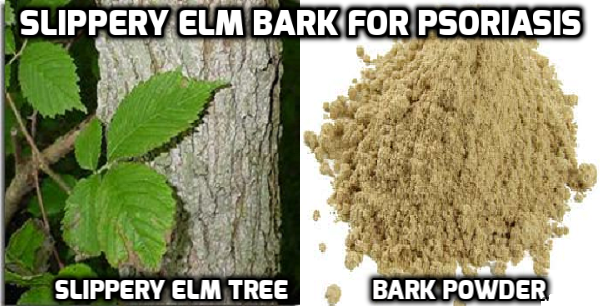
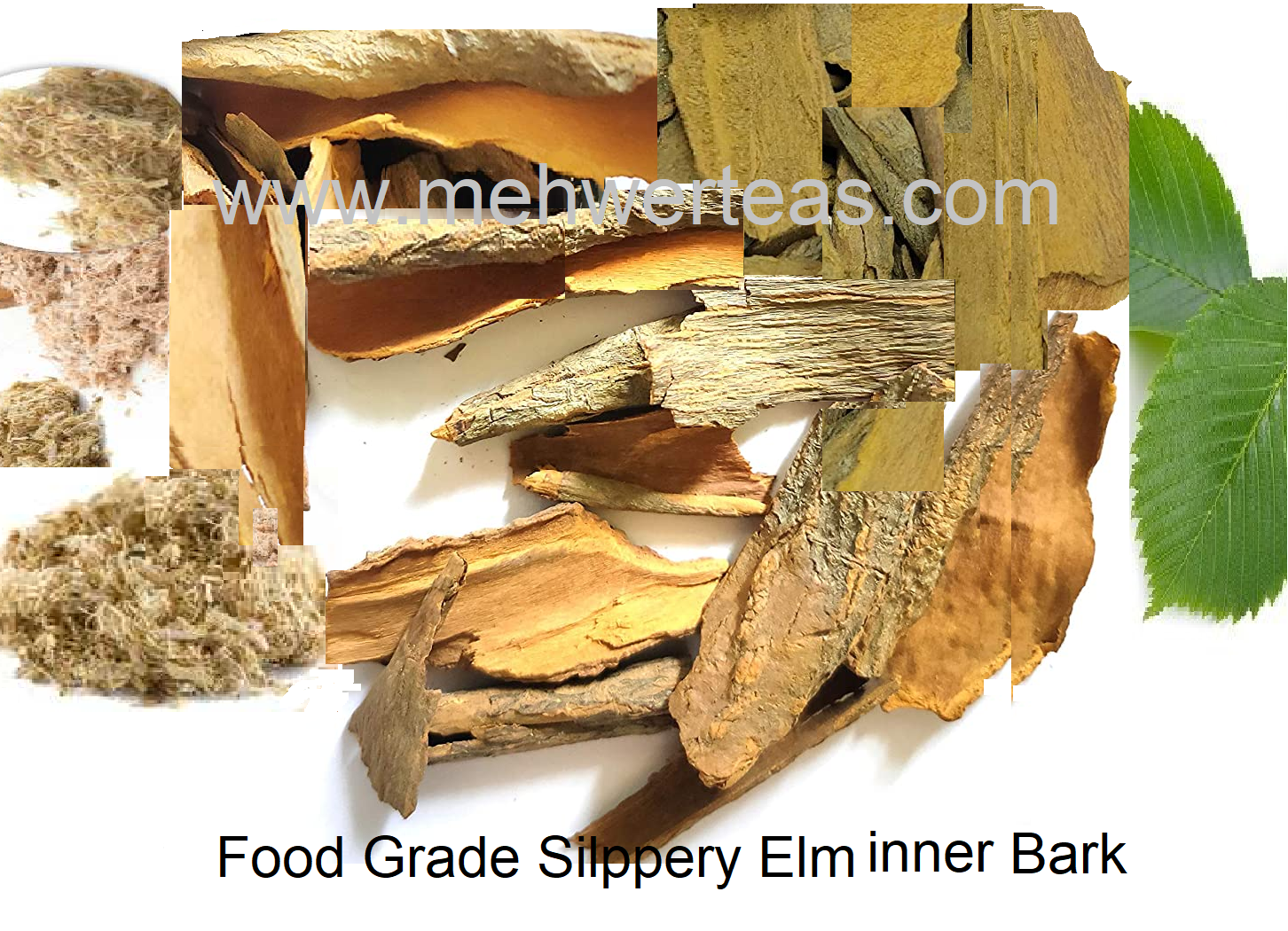
Slippery elm is a tree. The inner bark (not the whole bark) is used as medicine.
Slippery elm is a native tree to North America. It is a medium-sized tree that can grow to about 50 feet in height. The branches grow downward. The bark is gummy, with deep fissures and a slight odor. It has long been used as a survival food during times of famine. For instance, during the American Revolution, George Washington and his army survived for several days eating nothing but elm gruel at Valley Forge. It is regrettable that many of these trees have succumbed to Dutch elm disease, and are not found as readily as before.
Medicinal Uses – Internally, Slippery elm is used for sore throat, cough, respiratory problems, diarrhea, gastritis, ulcers and other gastrointestinal problems. It is a common ingredient in Traditional Chinese Medicine and in Ayurvedic treatments. Both use this herb for bloody diarrhea and other problems of the digestive tract. Externally, Slippery elm is used topically for wounds, boils, burns and other conditions of the skin. It can also be used to soften skin.
Studies are showing that the herb may be useful for inflammatory bowel disease. It is beneficial to internal mucosal tissues, like the stomach and vaginal lining and the exophages. It can ease the soreness resulting from prolonged flu, digestive upset and chronic indigestion.
Parts Used – The inner bark of the tree is used medicinally.
Precautions – If taken according to directions, there are no known dangers for slippery elm. If you take prescription medications, the herb may decrease their effectiveness. Because of this effect, take several hours before or after your dose of prescription medications. It is considered to be safe for pregnant women, babies and the elderly.
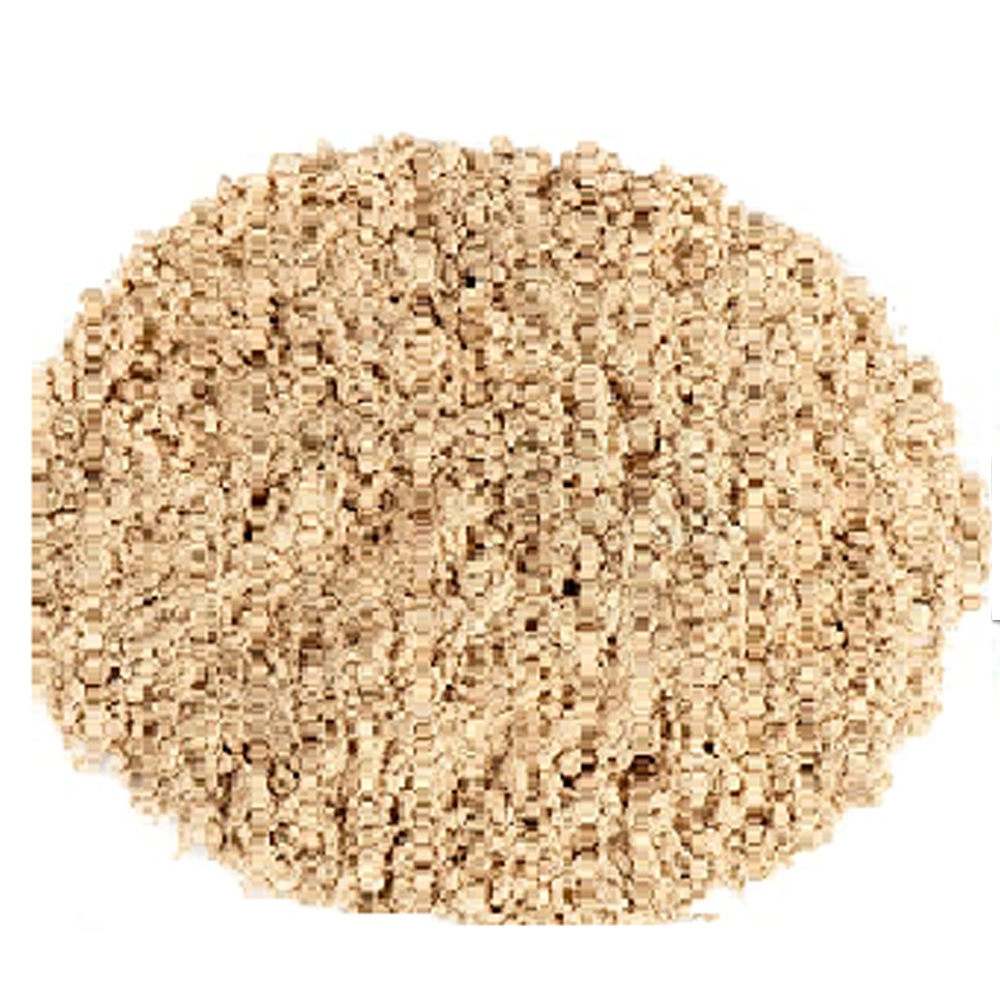
Preparation and Dosage – Slippery elm can be found in tablets, capsules, lozenges, powdered bark that is used to make infusions, decoctions and tinctures, and coarse powder for poultices.
For a poultice, mix the coarse powder with boiling water to make a paste.
Lozenges should be taken according to directions on the label.
Two (250 to 500 mg) capsules can be taken three times a day.
For an infusion, pour 2 cups of boiling water over 4 grams of powdered bark. Allow it to steep for 3 to 5 minutes. Drink this infusion three times a day.
For a decoction, simmer one part powdered bark to eight parts water for an hour or longer. The drink will be mucilaginous in texture and can be taken as needed. It can also be added to oatmeal or juice.
People take slippery elm for coughs, sore throat, colic, diarrhea, constipation, hemorrhoids, irritable bowel syndrome (IBS), bladder and urinary tract infections, syphilis, herpes, and for expelling tapeworms. It is also used for protecting against stomach and duodenal ulcers, for colitis, diverticulitis, GI inflammation, and too much stomach acid. Slippery elm is also taken by mouth to cause an abortion.
The mucilage in the slippery elm bark is the constituent that imparts the healing properties. It is known to relieve inflammation and throat irritation. It is also known to relieve urinary tract infection. Slippery elm poultices are also used to treat itchy, inflamed, or irritated skin as well as cuts, scrapes, scratches, and minor burns.
Slippery Elm is an ingredient of Essiac tea, a blend of 4 to 8 different herbs which is a common cancer treating alternative, and used for other health conditions too.
To make slippery elm tea, dissolve about 15 grams of ground slippery elm bark in a 240 ml cup of hot water.
As with most herbs, it is best to consult first with your physicians before trying out slippery elm tea herbal remedy.
The health benefits attributed to slippery elm tea are beneath:
• May aid in fighting cough, sore throat, bronchitis and lung problems.
• Said to help counter excessive acidity in the stomach.
• Claimed to help in treating diarrhea, ulcers, gastritis and esophagitis.
• May assist in treating indigestion and constipation.
• Thought to help in fighting dysentery.
• Appears to help treat psoriasis.
• Known to be an effective diuretic.
• Seems to help in softening and soothing the skin.

Reviews
There are no reviews yet.