


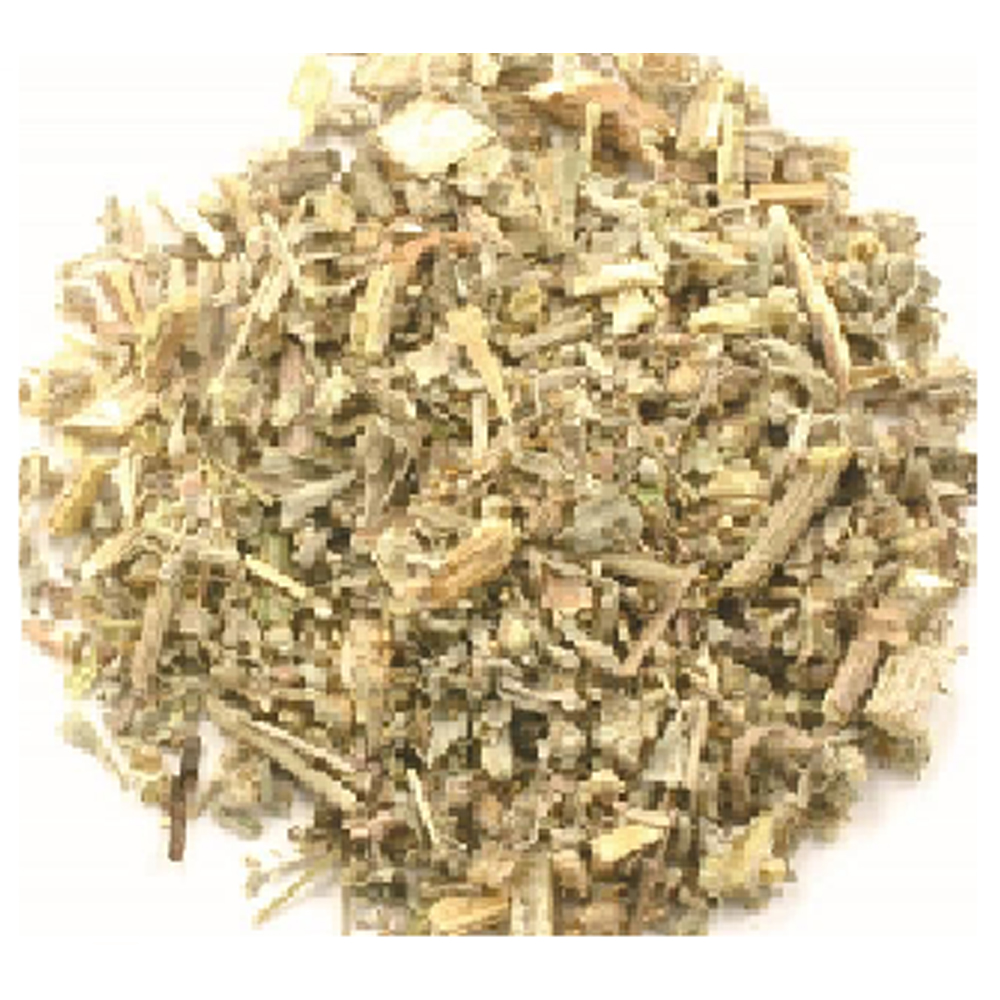
Description
Wormwood is an herb. The above-ground plant parts and oil are used for medicine.
Wormwood is used for various digestion problems such as loss of appetite, upset stomach, gall bladder disease, and intestinal spasms. Wormwood is also used to treat fever, liver disease, and worm infections; to increase sexual desire; as a tonic; and to stimulate sweating.
Also known by its scientific name of artemisia absinthus, the wormwood is indigenous to Europe, northern Africa and western Asia. Widely called absinth, the wormwood has hallucinogenic and psychoactive properties. Indeed, men such as Hemingway and Van Gogh are said to have attributed part of their creativity to visions induced by the wormwood. It is also often used as a companion plant, as it has potent pest repellant properties, and prevents the growth of weeds.
Wormwood is known as one of the most bitter plants on Earth. As such, it is an ingredient in the liquor absinthe, and also used to flavor other spirits and wines, including bitters, vermouth and pelinkovac.
The known active constituents of wormwood are the following: thujone (absinthol or tenacetone), thujyl alcohol, acids, absinthin, tannins, resin, potash, and starch.
Wormwood tea is prepared by adding one teaspoon of the dried herbs (stems, leaves, flowering parts) to 250 ml cup of boiling water. Allow the mix to simmer for about 10 to 15 minutes. Drink three cups of the tea daily. However, people SHOULD NOT to use the tea for longer than three weeks as the wormwood has toxic constituents that are harmful if ingested in large quantities and for extended periods of time. Pregnant and nursing women SHOULD NOT drink wormwood tea.
Among some health benefits attributed to wormwood tea are:
• Thought to remedy indigestion
• Appears to counter gastric pain
• May be used to aid in improving appetite
• Often used to help in expelling worms from the body
• Believed to assist in safeguarding the liver
• Claimed to help enhance the immune system

Reviews
There are no reviews yet.