


Description
Rose Petal Tea Benefits
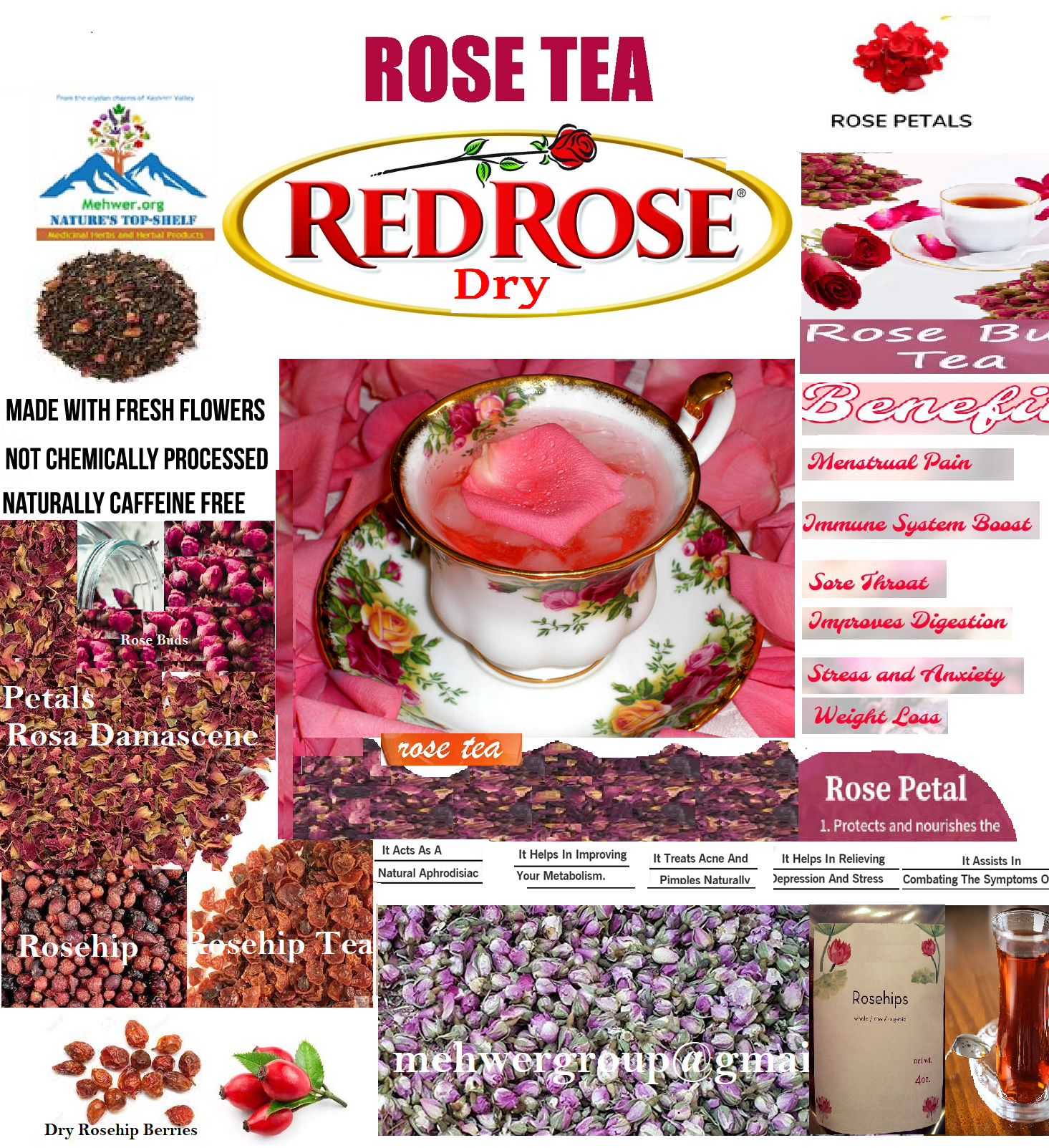
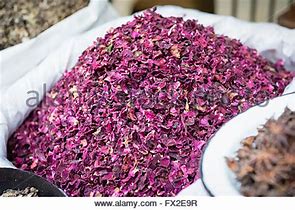
The health effects of Rose petal as an herb has long been noted for their regenerative effect on the nervous system as well as for their purifying effect on the body.
The rose is a perennial flower shrub or vine belonging to the family Rosaceae, and has more than 100 species. Roses are primarily grown for their beauty and fragrance. The rose plant is said to have originated in Asia, with some species having their origins in Europe, North America, and northwest Africa . While some varieties are compact in size, the climbing variant can reach nearly 8 meters high.
Roses form a group of erect shrubs, and climbing or trailing plants, possessing stems that often have sharp little thorns. The leaves are oval-shaped, have sharply-toothed edges, and typically measure anywhere from 7 to 14 centimeters long. The plant has an aggregate fruit that is fleshy and edible. It is called a rosehip and typically ripens in late summer through autumn.
Rose flowers of most species have five petals. Each petal is divided into two distinct lobes and is usually white or pink, though in a few species yellow or red. Beneath the petals are sepals that appear as green points alternating with the rounded petals. The ovary develops below the petals and sepals.
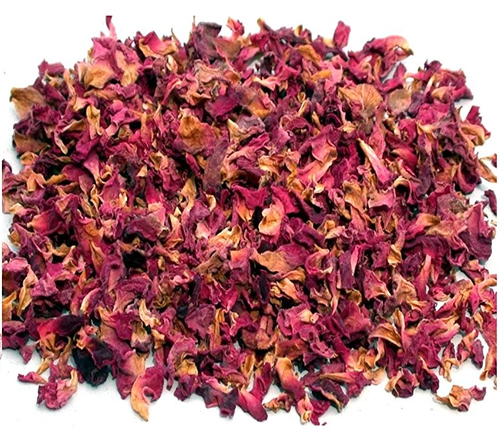
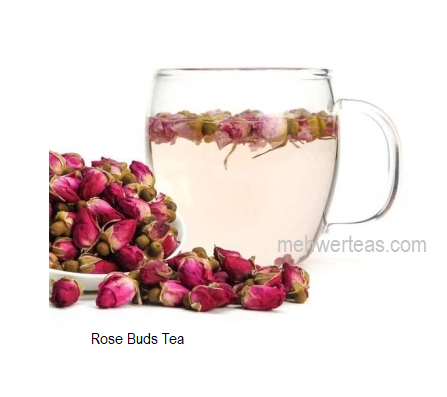
Both the rosehips and the petals can be made into tea. The benefits of rosehip tea are discussed here. Before making rose petal tea, be sure that the petals to be used are free of pesticides. Rose petals from gardens, nurseries or flower shops are usually treated with pesticides and should be avoided when making rose petal tea.
To make rose petal tea, simply place about two handfuls of thoroughly rinsed and dry rose petals in a pot containing about 3 cups of water. Place the pot in medium heat and let it simmer for about 5 minutes or until the petals have become darkened and have lost their original color. Add honey or sugar to taste. Rose petal tea has a lightly floral taste with a slightly tart and tangy flavor. It can be served in afternoon tea parties.
The following are the active constituents of rose petal tea: cyclic monoterpene alcohols, geraniol, citronellol and nerol. Also found are long-chain hydrocarbons like nonadecane or heneicosane.
Some health benefits attributed to this tea below:
• Thought to help lower the body temperature during high fever.
• Seems to help purge toxins from the body.
• Could enhance immunity and help restrict the development of infections.
• May assist in cold relief, runny nose and bronchial congestion.
• May help alleviate sore throat.
• Seen to aid in the treatment of diarrhea and dysentery.
• Said to alleviate problems associated with heavy menstrual period in women.
• Believed to combat insomnia, fatigue and depression.
Rose Hips Whole
Rose hips are the round portion of the rose flower just below the petals. Rose hips contain the seeds of the rose plant. Dried rose hips and the seeds are used together to make medicine.
Fresh rose hips contain a lot of vitamin C, so they share many uses with vitamin C including preventing and treating colds, flu, and vitamin C deficiencies.
Rose hips are also used for stomach disorders including stomach spasms, stomach acid deficiency, preventing stomach irritation and ulcers, and as a “stomach tonic” for intestinal diseases. They are also used for diarrhea, constipation, gallstones, gallbladder ailments, lower urinary tract and kidney disorders, fluid retention (dropsy or edema), gout, back and leg pain (sciatica), diabetes, high cholesterol, weight loss, high blood pressure, chest ailments, fever, increasing immune function during exhaustion, increasing blood flow in the limbs, increasing urine flow and quenching thirst.
In foods and in manufacturing, rose hips are used for tea, jam, soup, and as a natural source of vitamin C.
Some people use rose hip as a source of vitamin C. It is true that fresh rose hip contains vitamin C. But processing and drying of the plant destroys most of the vitamin C.
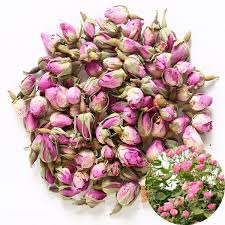
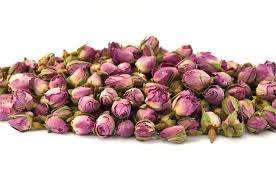
The leaves of the Dog Rose, when dried and infused in boiling water, have often been used as a substitute for tea and have a grateful smell and sub-astringent taste. The flowers, gathered in the bud and dried, are said to be more astringent than the Red Roses.
Everyone should try this totally refreshing tea.
Below are some of the health benefits gained from drinking this tea:
• Considered strengthening to the stomach
• Said to be useful in combating diarrhea
• Found to help in fighting dysentery
• Valued for its pectoral qualities that is good for coughs and spitting of blood
• Often used to help treat distempers of the breast
• May assist in easing colic


Reviews
There are no reviews yet.