





Description
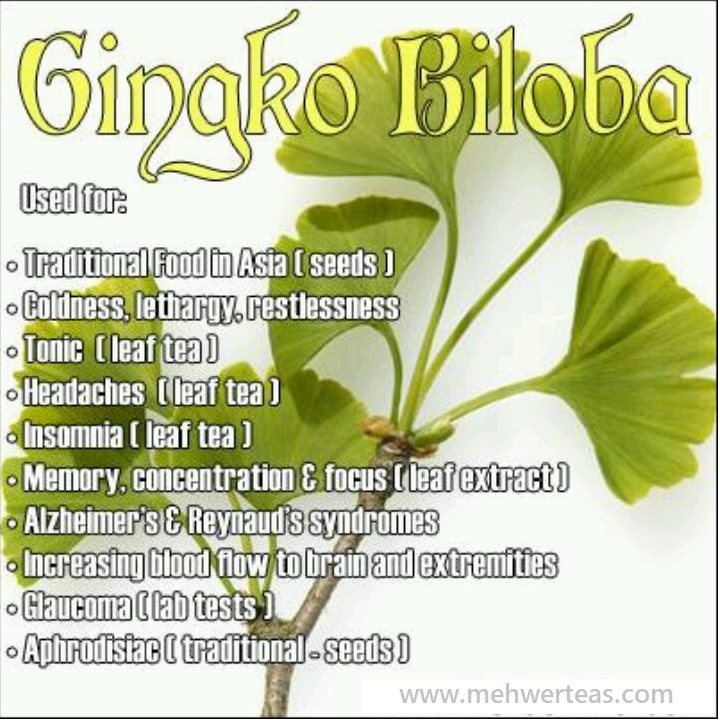
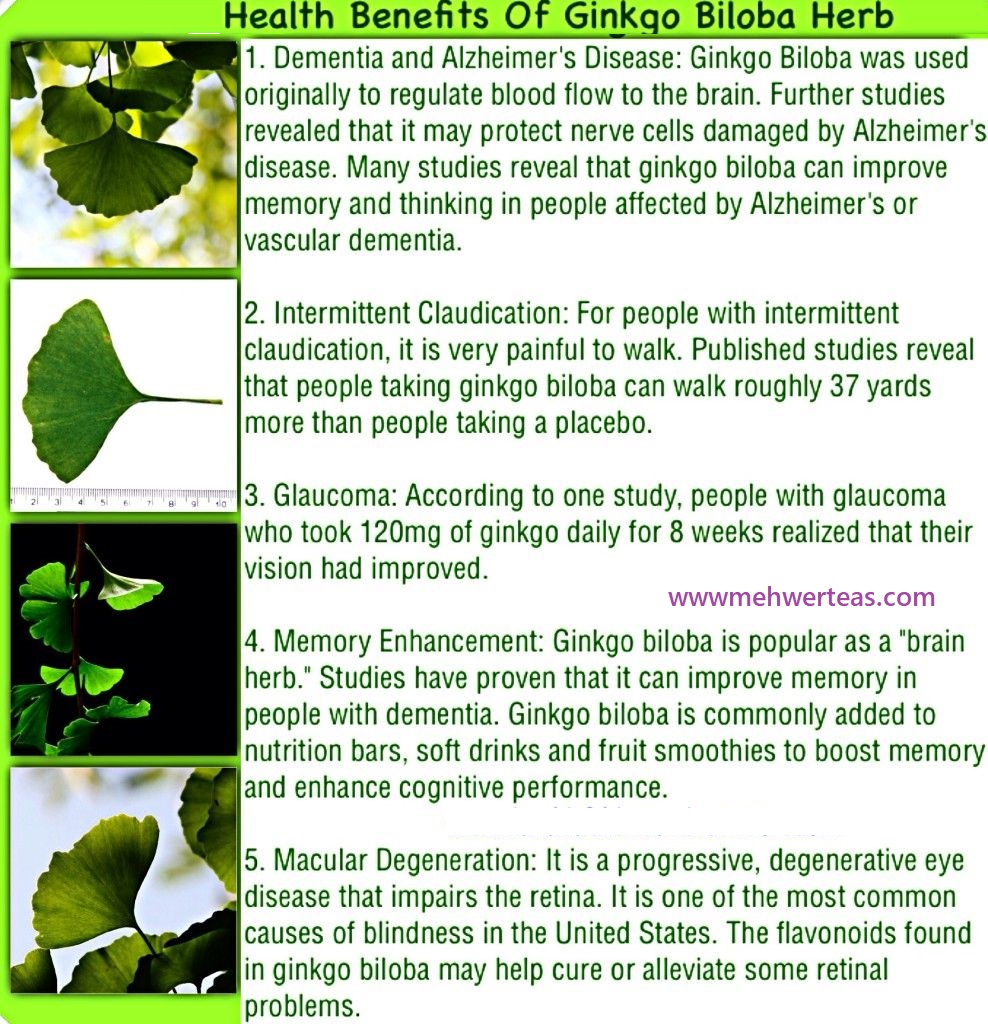
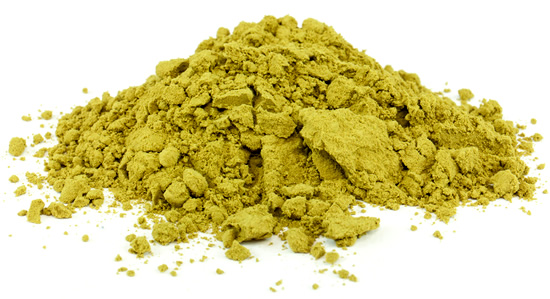
ORGANIC Ginkgo is an herb. The leaves are generally used to make “extracts” that are used as medicine. However, a few medicines are made from the seed, but these are not well studied.
Ginkgo is often used for memory disorders including Alzheimer’s disease. It is also used for conditions that seem to be due to reduced blood flow in the brain, especially in older people. These conditions include memory loss, headache, ringing in the ears, vertigo, difficulty concentrating, mood disturbances, and hearing disorders. Some people use it for other problems related to poor blood flow in the body, including leg pain when walking (claudication), and Raynaud’s syndrome (a painful response to cold, especially in the fingers and toes).
Ginkgo leaf is also used for thinking disorders related to Lyme disease and depression.
Some people use ginkgo to treat sexual performance problems. It is sometimes used to reverse the sexual performance problems that can accompany taking certain antidepressants called SSRIs.
Ginkgo been tried for eye problems including glaucoma, diabetic eye disease, and age-related macular degeneration (AMD).
Its widely used in China and in many parts of the world as a memory enhancer and a blood circulation booster. These functions are thought to be related to each other as the herb is said to help boost brain function by increasing the blood flow to the brain, thus nourishing the brain cells. These characteristics are quite similar to those exhibited by other herbal brews like ginseng tea and gotu kola tea which are likewise native to Asia.
Recent studies have yielded results that showed ginkgo biloba may be used to treat some forms of depression that are not responsive to anti-depressant agents. Ginkgo biloba is said to be able to enhance the re-uptake of serotonin at receptor sites. Serotonin is one of the key chemicals involved in regulating the mood. The amino acid tryptophan plays a very important role in the production of serotonin in the body.
Ginkgo biloba tea contains several key flavonoids found in the infused leaf. Among these are: quercetin, kaempferol, and isorhamnetine. Ginkgo biloba tea also contains sufficient amounts of glycosides, non-flavonoid terpenes, carotenoids, and ginkolides A, B and C.
This herb has supposedly helped many people with their memory and cognitive thought processes.
The following are ginkgo biloba tea’s more well-known health benefits:
Stimulates blood and peripheral arterial circulation.
Reduces lethargy and improves sense of well-being.
May help improve the memory.
Its used to treat hearing disorders like tinnitus.
May improve disturbed equilibrium.
May help improve mental alertness.
May be used as supplement for Alzheimer’s disease.
Reviews
There are no reviews yet.