





Description
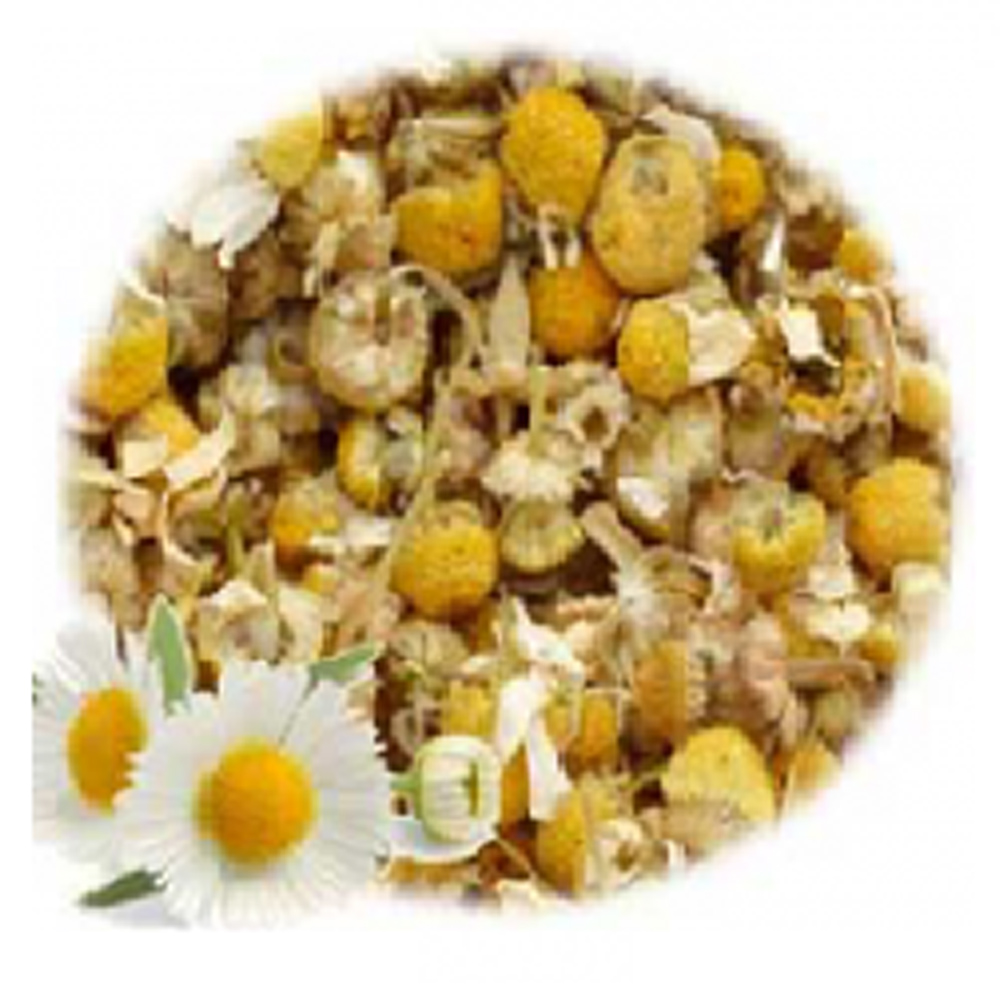
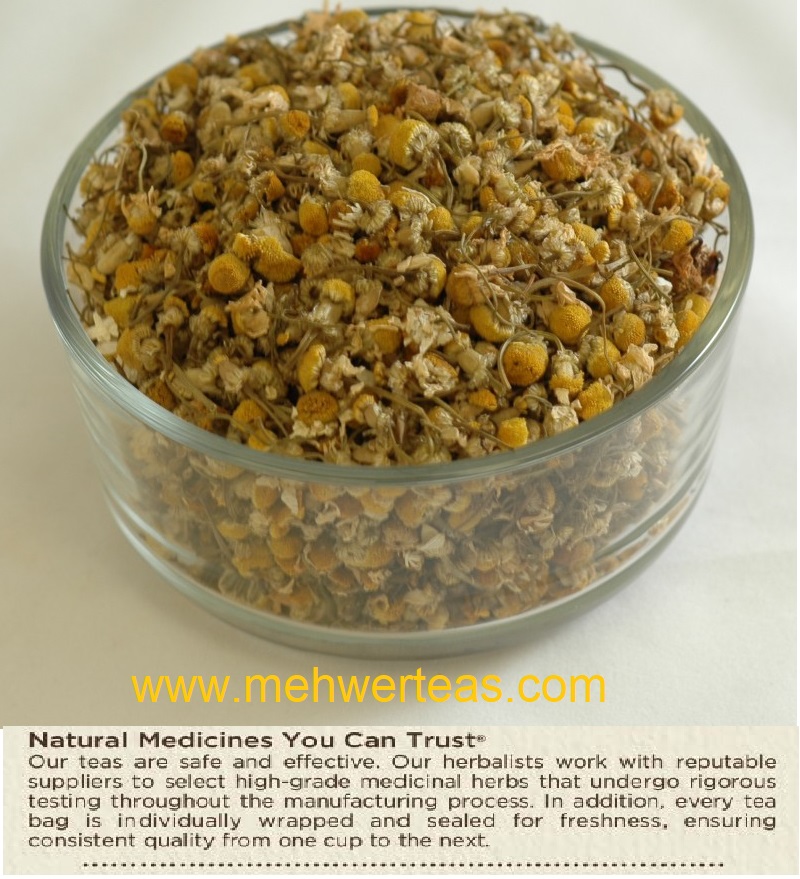
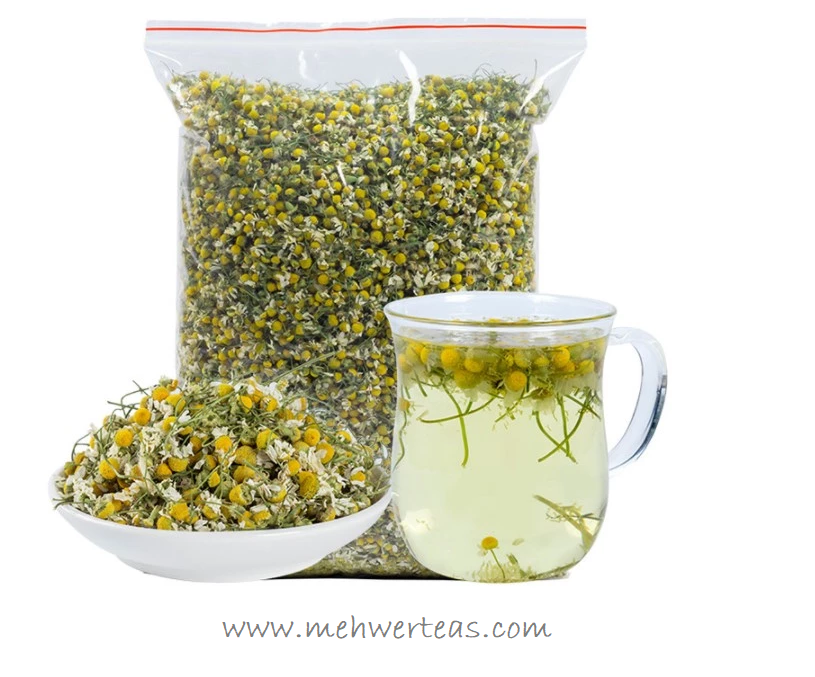
Chamomile Tea:-
Arabic Name : Baaboonaj, Baboonak, Baboonaq
Bengali Name : Babunphul
Chinese Name : Song hua
English Name : Common Chamomile, Roman Chamomile, Ground Apple, Earth Apple, Whig Plant, Manzanilla
French Name : Camomille commune
German Name : Römische Kamille; Römische Hundskamille, Edel-Kamille, Gartenkamille, Große Kamille, Dickköpfe, Dicke Granille
Gujarati Name : Babuna
Hindi Name : Babuna
Kannada Name : Shime Shavantige
Kashmiri Name : Thul Bobul
Latin name : Anthemis nobilis Linn.
Marathi Name : Babuna
Persian Name : Baaboona, Babun, Gule Babun
Punjabi Name : Babanphul, Babuna
Urdu Name : Gule Babuna
Chamomile is useful in nervous disorders of women. Chamomile generally acts as an analgesic (mild), anodyne, antibacterial, anticonvulsant, antifungal, antihistamine, antiinflammatory, antioxidant, antiperiodic, antiseptic, antispasmodic, aromatic, bitter, calmative, carminative, demulscent, diaphoretic, digestive, diuretic, emetic, emmenagogue, emollient, ferbrifuge, insecticide, nervine, relaxant, sedative (mild), stimulant, stomachic, tonic and vermifuge. Useful in arthritis, rheumatism, gout, sciatica, dyspepsia, flatulence, colic, general debility, hysteria and dysmenorrhoea. Apigenin contained in chamomile prevents heart diseases. It also relieves mastitis, painful periods and premenstrual tension.
Contemporary herbalists recommend chamomile for its ability to soothe the nerves and promote more restful sleep. It also reduces anxiety and induces a state of pleasant relaxation without disrupting normal function or interfering with motor coordination. It has also been safely used to calm restless children. It also supports skin health. It stimulates the immune system’s infection-fighting white blood cells. It may help prevent stomach ulcers and speed their healing.
The health benefits of Chamomile has been widely acknowledged and recognized for centuries.
Chamomile tea comes from herb Matric aria recutita, also known as manzanillo. Its flowers and leaves have been brewed for centuries and drank as a fragrant and flavorful tea. Chamomile tea’s reputation as a medicinal tea shows little signs of abatement.
Chamomile tea has been regarded as a medicinal cure-all. It had been considered a universal remedy by the ancient Egyptians. Now, researchers in England have found new evidence that the chamomile tea may actually help relieve a wide range of health ailments, including colds and menstrual cramps.
The researchers have found that drinking chamomile tea was associated with a significant increase in urinary levels of hippurate (breakdown products of certain plant-based compounds) and glycine (an amino acid).
Levels of both hippurate and glycine remained elevated after the study for up to two weeks when the participants stopped drinking the tea, indicating that the compounds may remain active for quite some time, according to the researchers.
The presence of this herbs components appear to contribute to health in the following:
Boosts the immune system and fight infections associated with colds
Relieves muscle spasms and menstrual cramps in women
Relaxes the nerves
Soothes the stomach
Reduces inflammation
Improves liver function
Helps relieve back pain
Helps relieve rheumatism
It’s considered a favorite amongst tea drinkers because of its mild, smooth and flavorful essence. With such a variety of uses you can drink it when you’re sick, have an upset stomach, have cramps, or during the evening as a calming tea. It’s especially a great wind-me-down tea to take to bed after a hard and hectic day. This herb produces the perfect all-around brew.
Some information on Chamomile tea, did you know that:
Its probably the most popular herbal remedy drink that people use to help them relax and sleep. Its reputed sedative properties also make it a popular choice for those that want to combat anxiety. Find out which other teas and tisanes are good for insomnia and sleeplessness.
It’s rich in the antioxidant quercetin. Quercetin is a phytochemical that gives color to fruits and vegetables. As it is known to help fight damage caused by free radicals, it is a great ally against cancer.
Has high levels of the mineral phosphorus. Phosphorus plays a major role in many of the chemical processes going on inside the human body. A lack of phosphorus is associated with lethargy and bone weakness, among others.
Its very rich in the amino acid glycine. It plays an important role in the maintenance of a healthy nervous system. Sweet to the taste, glycine has the simplest chemical structure among the amino acids.
Has potent anti-inflammatory properties. The abundance of antioxidants within the chamomile plant helps subdue inflammation and is therefore a good ally in fighting pains associated with arthritis and rheumatism, among.
The quality of the water used to make chamomile tea is very important. It is believed that the water used must be free of contaminants and contain enough oxygen to enhance the natural flavor of the tisane. Chamomile tea made with pure water yield a clean, mild flavor and a drink that is aesthetically pleasant. Learn more about the health benefits of water here.
Those who suffer from allergies to members of the daisy family (ragweed) should consult a doctor or allergist before using this herb. It contains natural blood thinners (coumarins) and should not be taken by those using the prescription drug Coumadin or other blood thinners. Because this herb is a uterine stimulant, pregnant women should discuss its use with their physicians before using it. It may cause drowsiness.
Common Uses
• Promotes general relaxation and relieves anxiety.
• Alleviates insomnia.
• Heals mouth sores and treats gum disease.
• Soothes skin rashes and burns, including sunburn.
• Relieves red and irritates eyes.
• Eases menstrual cramps.
• Treats bowel inflammation, digestive upset and heartburn.
Forms
• Capsule.
• Dried herb/tea.
• Tincture.
• Oil.
• Cream/ointment.
Facts and Tips
• A chamomile bath can be relaxing – and provide relief for dry, irritated skin or sunburn. Add 10 drops of chamomile oil, or several cups of chamomile tea, to a cool bath and soak for half an hour or longer.
• To treat burns, stick with chamomile creams or teas rather than greasy ointments. The latter contain oils that can trap the heat, slow healing and increase the risk of infection. Creams, on the other hand, are made with a non-oily base.
Reviews
There are no reviews yet.