




Description
Catnip Tea;
Catnip Nepeta cataria
he health benefits of Catnip tea are recently being discovered and the herb is slowly gaining familiarity amongst the healthily conscious world.
Catnip is also known as catmint, cats wort, and field balm. It is a member of the mint family of herbs and is now to be found in the milder climates of the Northern Hemisphere.
Catnip plants bloom during the summer and have fuzzy, grayish-green leaves and small, white flowers. Catnip flowers, leaves and stems are cut while the plants are in full flower and then dried for use in herbal preparations.
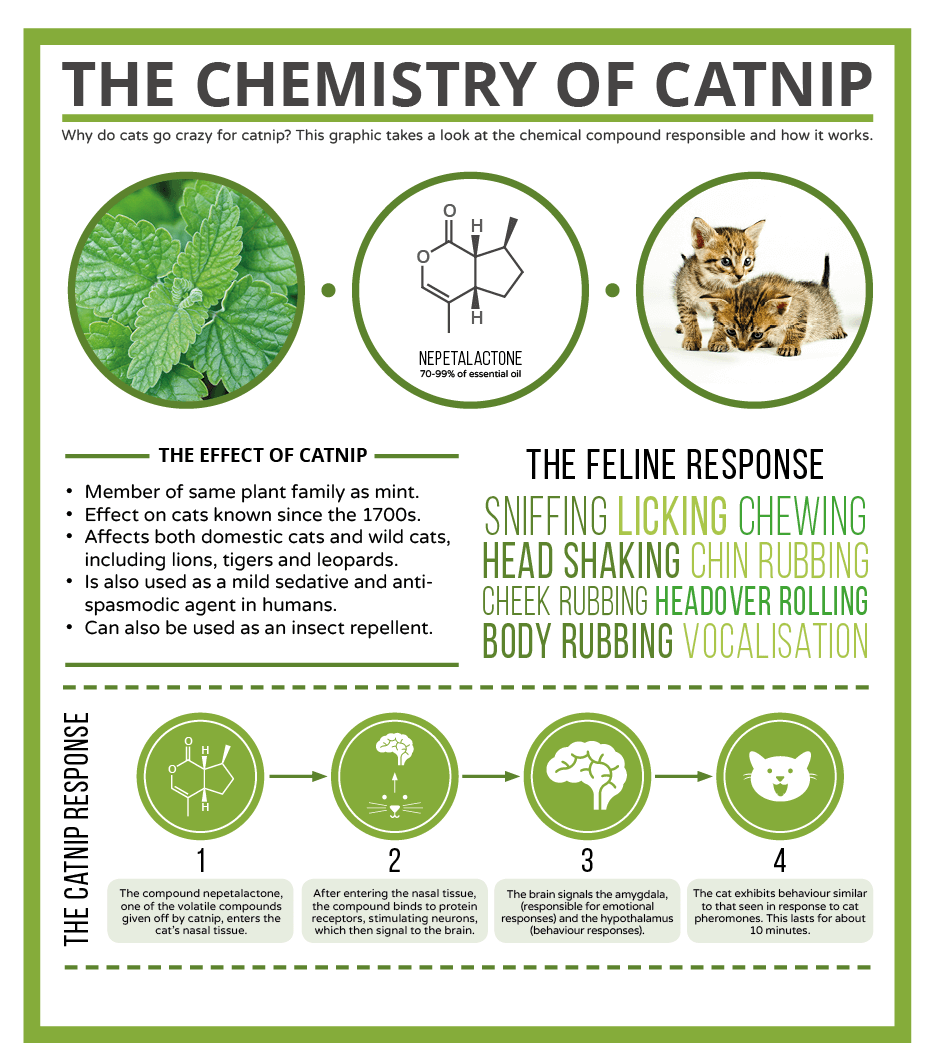
Catnip usually attracts cats who often run up to the herb, paw it, roll in it, meow loudly, and then suddenly lose interest in the herb for hours or days until sensitivity to the herb comes back.
Catnip contains a substance called nepetalactone and essential oils. Nepetalactone has a sedative effect in humans. It also can be anti-bacterial, anti-fungal and muscle-relaxing. The essence of the catnip herbs can be extracted through catnip tea, which is produced by steeping the aerial parts of the catnip for about 10 minutes in hot water which has been boiled and then removed. Catnip Tea can be consumed 2 to 3 times per day. Expectant mothers are advised to avoid drinking catnip tea.
Catnip Tea can be used by adults and children but is a favoured natural remedy for many children’s complaints due to its mild nature.
Tea can be administered for teething, teething related fevers, fevers in general, nervous system complaints and acute pain.
A must for any mother’s pantry and medicine cabinet. Catnip is combined with Chamomile for a milder taste and aroma. These two herbs are grown fresh and organic in my garden and excellent for use with children.
Tea can also be made and frozen into an ice pop to aid additionally in relief of teething. This remedy has worked very well with many infant clients with excellent results. I find a lot of parents take this blend too when their child is teething because it is so calming and relaxing.
Catnip can be used in soups, stews and mixed into herb blends for seasoning dishes.
Catnip is used as a calming sleep inducing herbal remedy. It also eases indigestion and relieves diarrhoea. Catnip induces sweating therefore reducing fevers.
Catnip is a particularly good herb for children and can be used to relieve colic and tummy upsets, colds, flue, fever and soothes a cranky child. It combines well with lemon balm and chamomile.
Other uses
Dried catnip can be used inside cat toys, as some cats love the scent. It can cause playful behavior or calm behavior depending on the cat.
Actions
Nervine, carminative, sedative, diaphoretic, antispasmodic, digestive
All information provided on this website is for informational purposes only. Please seek professional advice before commencing any treatment.
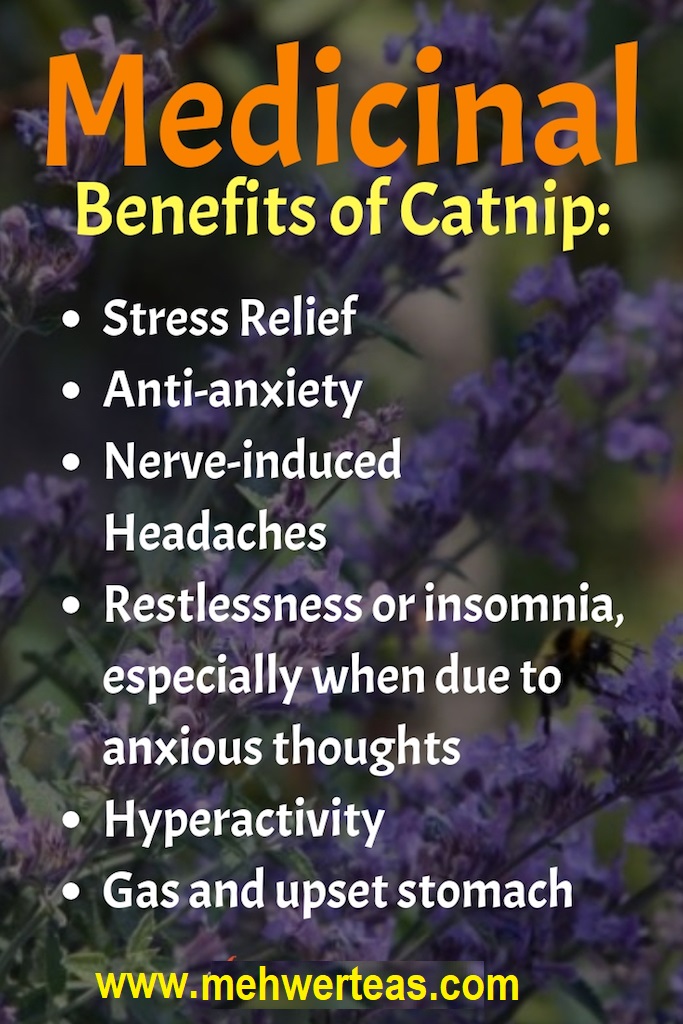
When taken, Catnip Tea may have the following benefits:
Has a calming effect, may help relieve stress, and may help treat anxiety and nervousness.
May help alleviate insomnia.
May also be used to help lessen migraine headaches.
May also relieve stomach complaints such as colic, cramps, gas, and indigestion.
May be used in treating fever.
May help in treating toothaches.


Reviews
There are no reviews yet.